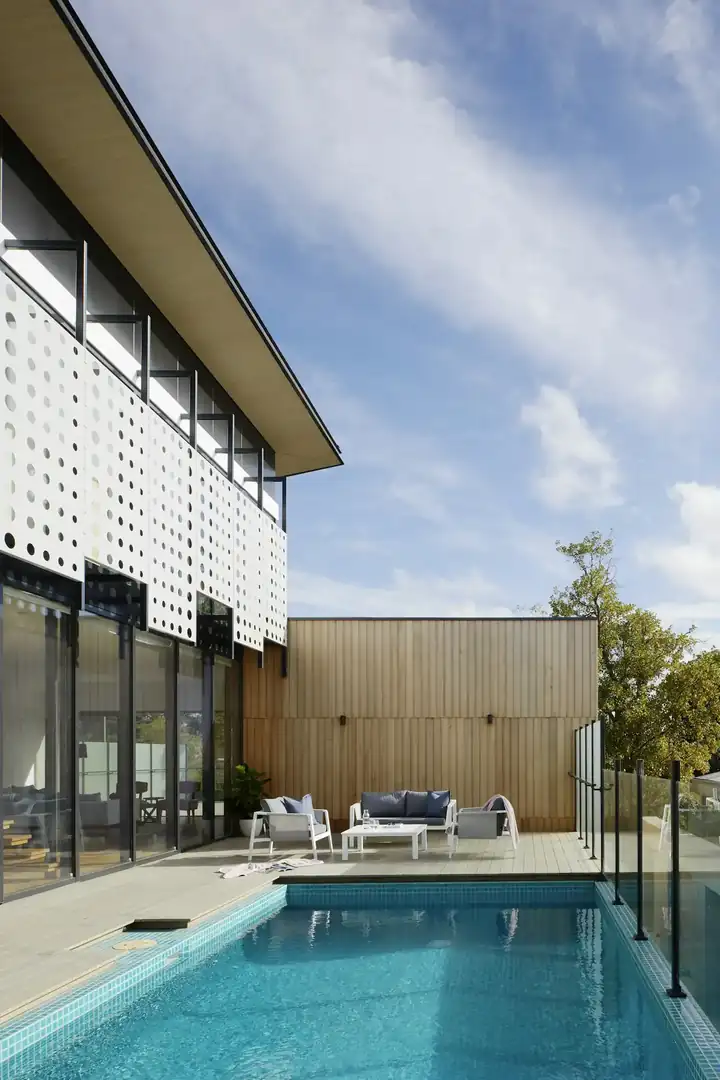
Buyers meet a listing twice: once in the photographs, and once at the door. Real estate staging is the plan for both meetings. Rooms are given a clear use, the path through the house is opened, and the details that make a wide photo hard to read are edited back.
When an agent is involved, the scope names who approves access, who meets the photographer, and who is the contact on showing days. When a seller is handling the listing without that help, the same questions still have to be answered. The service does not replace a broker, an appraiser, or a pricing conversation.
This practice does not furnish vacant houses, rent furniture, or deliver a moving truck. If the home is occupied, the furniture in the photographs is the furniture already there. If the home is empty, the conversation stays with cleaning, repairs that the camera will enlarge, and how to photograph the architecture without implying rooms that have been filled.
What listing presentation covers.
- A room list matched to the photographs and the first walk-through, including outdoor areas buyers will actually stand in.
- Layout using furniture the household already owns, when the home is occupied.
- Editing of surfaces, personal collections, and anything that turns a room into storage.
- A short reset list for open-house mornings: lights, blinds, counters, and the path from the front door.
- Coordination notes for the seller and the agent so access and timing are not guessed on photo day.
Model-home merchandising, virtual staging, and a standing contract to furnish spec houses are not part of this service.
Situations that usually prompt the call.
An agent wants the listing photographed next week and the house still reads as daily life. A seller has already packed half the kitchen and the remaining rooms look stranded. Feedback from a broker tour says buyers cannot tell what the loft is for. An open house is on the calendar and the only plan is to hide clutter in the primary bedroom.
None of those situations is solved by a slogan. They are solved by deciding which rooms carry the listing, what stays in the frame, and what has to be true on the morning the photographer arrives. If the useful result is a written priority list and no hands-on day, that is a complete outcome. Hands-on arranging is scheduled only when the scope says so.
Price position, without a luxury package.
A higher-priced house and a modest house do not need the same amount of editing, but they are not different products with different names. Recommendations follow the architecture and the rooms buyers will see. There is no separate luxury-staging package, and there is no claim that a particular finish level produces a particular offer.
What affects the scope.
The number of rooms in the photo plan, whether anyone is living in the house, the condition of the surfaces the camera will see, and how soon the listing needs to be live. An agent’s access rules and a seller’s moving date change the calendar. They do not change the fact that a figure is discussed only after the scope is written.
Payment is made by the party named in that scope. Sellers and agents sometimes divide the cost. This website does not set that division. Read the factors in more detail on the cost page, or compare this with pre-listing preparation if the question is mostly about sequence.
Questions from sellers and agents
Agents and sellers can both request a consultation. The written scope names who approves the work and who is the contact during preparation.
Model-home merchandising is a different assignment from preparing an occupied listing. This page describes listing presentation, not a standing model-home contract.
No. Presentation helps buyers understand the house. Price, condition, and location still drive the sale.